How HVAC Companies Can Stay Busy When the Weather Cools Down
How HVAC Companies Can Stay Busy When the Weather Cools Down
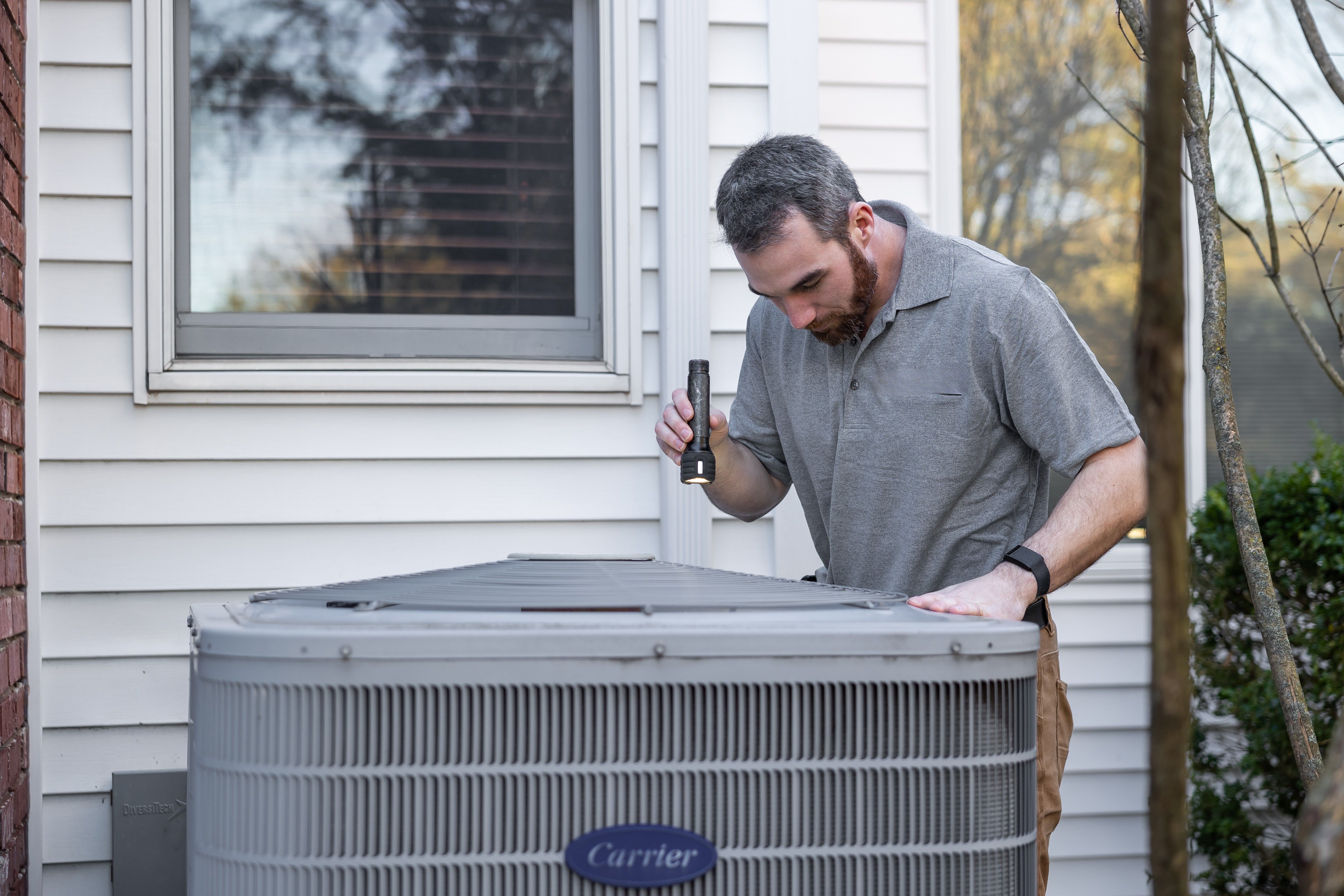
For HVAC companies, extreme weather can create an obvious rush of service calls. But what happens when demand slows? The businesses that rely entirely on emergency repairs can experience major swings in revenue throughout the year. A better strategy is building a system that creates opportunities during both busy and slower seasons. Don't Wait for the Next Emergency Air conditioning and heating failures create urgent demand, but HVAC companies have other services they can promote year-round. Maintenance plans, tune-ups, system replacements, indoor air quality, upgrades, and efficiency improvements can all create additional revenue opportunities. The challenge is getting those services in front of homeowners at the right time. https://www.virtualpros.com/solutions/ai-growth-system Use Marketing to Create Demand Consistent local SEO, educational content, social media, and targeted advertising can keep an HVAC company visible even when there isn't a heat wave or cold snap. For example, helpful content about replacing an aging HVAC system can reach homeowners who aren't ready to buy today but may need a new system soon. https://www.virtualpros.com/solutions/ai-growth-system Follow Up Before Customers Forget A homeowner who requests information about a replacement system may not make a decision immediately. Automated follow-up gives the company an opportunity to stay connected. Instead of starting from scratch months later, the business already has a relationship with the prospect. https://www.virtualpros.com/solutions/ai-growth-system Connect Marketing with Scheduling Generating attention is only part of the job. Once a homeowner is interested, they need a simple way to schedule a service call, estimate, or consultation. Virtual Pros helps HVAC companies build AI-powered revenue systems that connect marketing, lead capture, automated follow-up, and appointment scheduling. Contact Virtualpros.com for more information.
More from the HVAC Blog